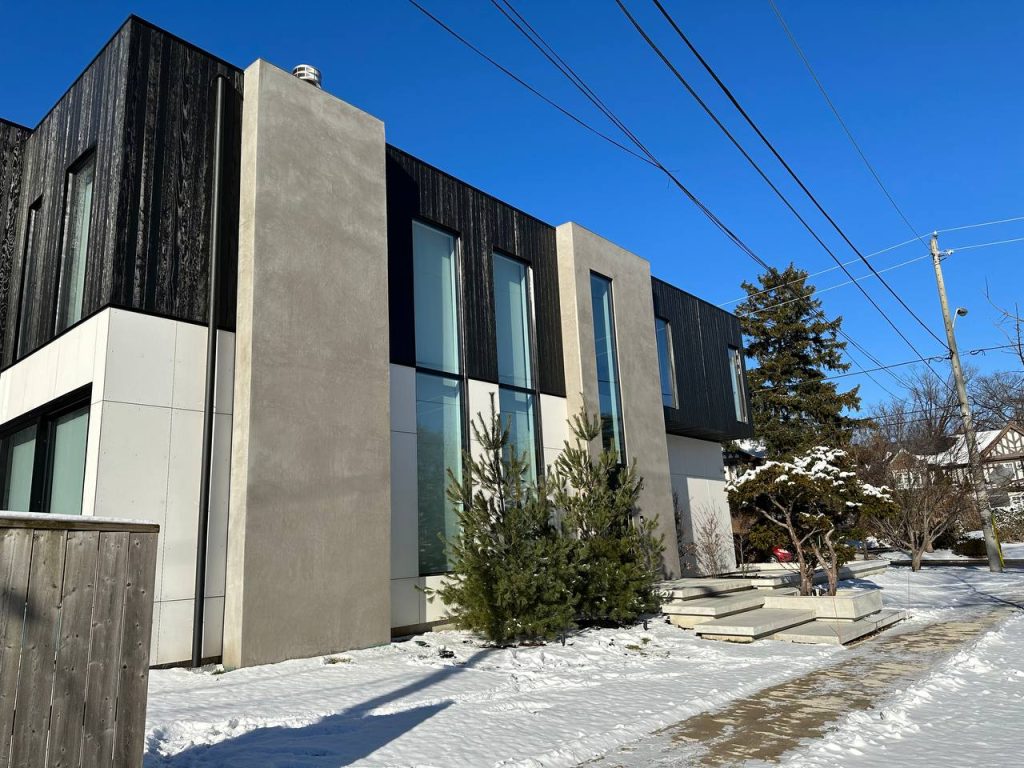
The Perfect Blend: Why Wood-Look Aluminum Siding is Taking Over Canadian Exteriors
For decades, homeowners in Ontario have faced a difficult dilemma: choose the timeless, warm aesthetic of natural wood and accept the high maintenance it requires, or settle for synthetic alternatives that look, well, synthetic.
However, the architectural landscape is shifting. As a homeowner or builder in the Greater Toronto Area (GTA), you no longer have to compromise. Aluminum siding designed with a realistic wood grain finish has emerged as the premier solution for modern exteriors. It bridges the gap between the rustic charm of cedar or walnut and the industrial durability of metal.
In this guide, we explore why wood-look aluminum is rapidly becoming the gold standard for Canadian homes, how it compares to real timber, and what you need to know before upgrading your exterior.
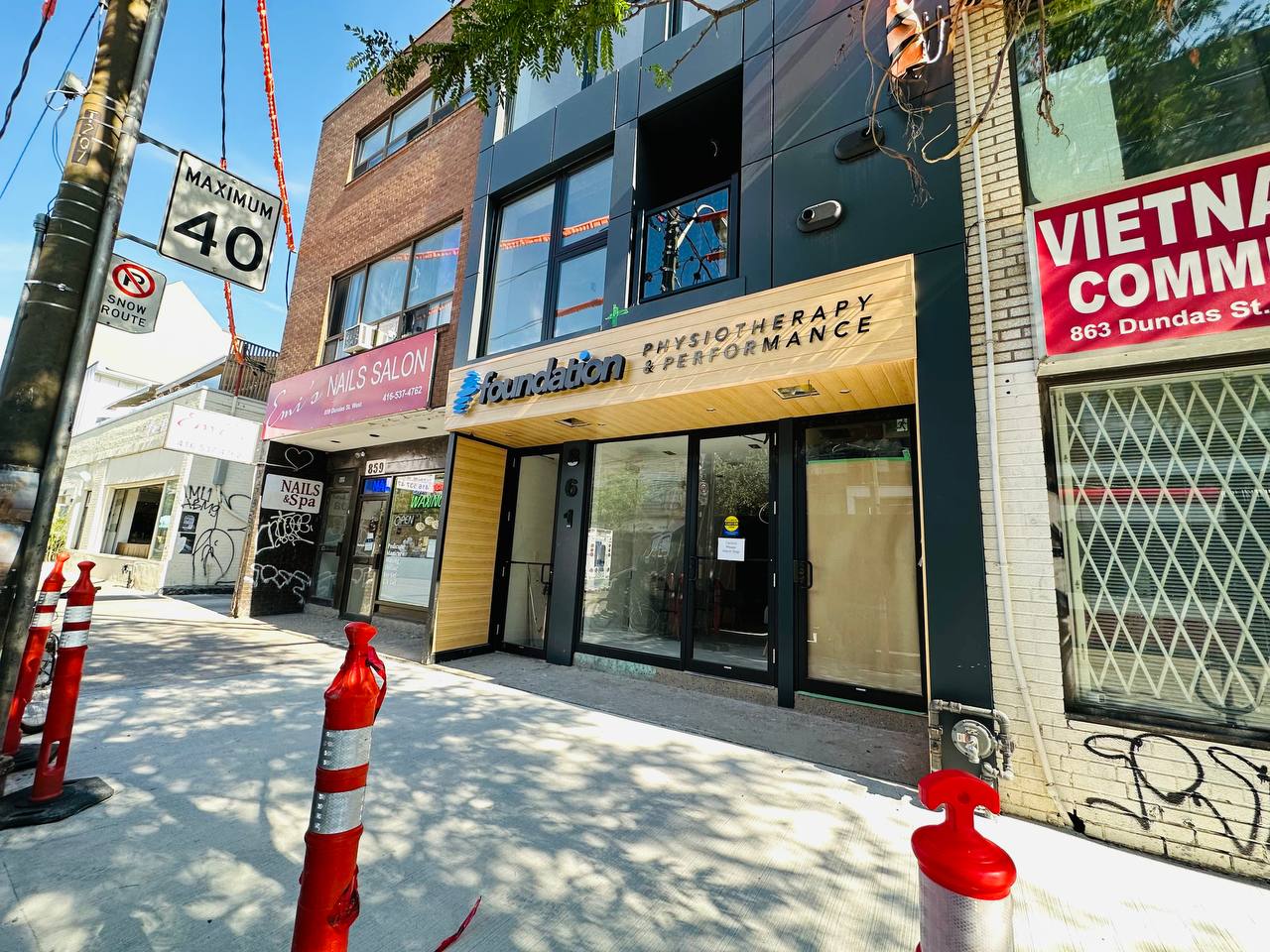
What is Wood-Look Aluminum Siding?
Wood-look aluminum siding is a high-performance cladding material that combines the structural integrity of heavy-gauge aluminum with high-definition wood grain visuals. Unlike the flat, chalky aluminum panels of the 1970s, modern manufacturing utilizes advanced powder coating and sublimation technologies. This process bakes a textured, multi-tonal wood image directly into the metal.
The result is a product that mimics the depth, warmth, and texture of natural species like knotty pine, cherry, or ash, but remains impervious to the elements. It is widely used for:
- Soffits and Fascia: Adding a premium touch to rooflines.
- Accent Walls: Creating a focal point on modern facades.
- Full Cladding: Wrapping the entire home for a contemporary, maintenance-free envelope.
The Comparison: Aluminum vs. Natural Wood
To understand the value of this material, it is essential to compare it directly with the material it emulates. While real wood is beautiful, it struggles against the harsh Canadian climate—freeze-thaw cycles, humidity, and pests take a toll.
Below is a breakdown of how premium wood-look aluminum stacks up against traditional cedar siding:
| Feature | Wood-Look Aluminum Siding | Natural Wood (Cedar/Pine) |
| Maintenance | Zero. No painting, staining, or sealing required. | High. Requires staining or painting every 3-5 years. |
| Durability | Extremely high. Resistant to rot, rust, and warping. | Moderate. Prone to rotting, cupping, and splitting over time. |
| Fire Resistance | Non-combustible (Class A Fire Rating). | Combustible. Increases fire risk. |
| Pest Resistance | Impervious to termites, carpenter ants, and woodpeckers. | Vulnerable to insects and woodpecker damage. |
| Lifespan | 40+ years with minimal degradation. | 15–25 years (highly dependent on maintenance). |
| Aesthetic Consistency | Consistent color and grain; does not fade unevenly. | Weathers naturally to grey; knots can fall out. |
Benefits for Homeowners in Canada
Choosing aluminum siding with a wood finish offers specific advantages for properties in our region.
Unmatched Durability in Four Seasons
Ontario’s weather can be extreme. We have hot summers in July and freezing blizzards in February. Wood-look aluminum is designed to handle these conditions. Since aluminum is a strong metal, it doesn’t soak up moisture. This means it won’t expand or contract like vinyl or wood, which helps prevent the buckling and cracking often seen in other siding materials.
A Sustainable Choice
Modern homeowners are increasingly concerned about their environmental impact. Aluminum is one of the most eco-friendly building materials available.
100% Recyclable
At the end of its life, aluminum can be recycled many times without losing quality. This process greatly reduces waste in landfills.
No Chemical Runoff
Aluminum is a better choice than treated wood because it doesn’t need harmful stains, paints, or preservatives. These chemicals can leak into the soil and damage the local ecosystem.
Modern Aesthetic Versatility
Whether you are renovating a mid-century bungalow in Etobicoke or building a custom home in North York, this material fits various architectural styles.
- The “Longboard” Look: Achieve the sleek, linear look often seen on high-end commercial buildings.
- Two-Tone Designs: Pair wood-look aluminum siding with stone or stucco for a stunning contrast.
- Vertical or Horizontal: Install planks vertically for a board-and-batten look or horizontally for a traditional lap siding appearance.
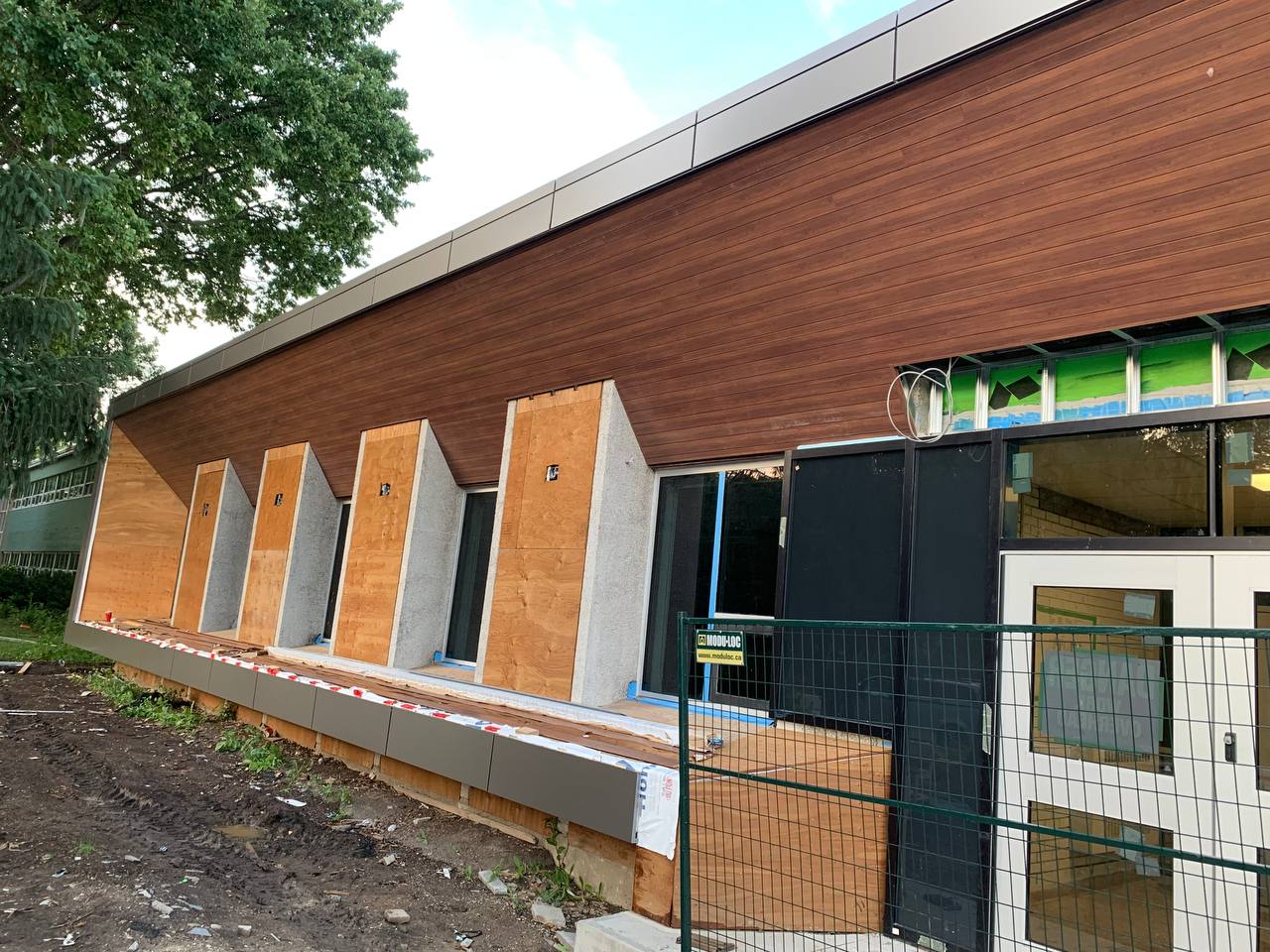
Challenges and Implementation Factors
While the material itself is nearly indestructible, the quality of the installation determines its performance. Improperly installed aluminum siding can suffer from technical issues like “oil-canning” (visible waviness) or become noisy during heavy winds.
- Cost Considerations: The upfront cost of premium wood-look aluminum is higher than that of vinyl or untreated wood. However, when you calculate the Total Cost of Ownership (TCO)—factoring in zero maintenance costs over 20 years—aluminum often proves to be the more financially savvy choice.
- Installation Precision & Backing: Unlike vinyl, the substrate must be perfectly level. Professional installers use a strapping system and proper insulation behind the siding. This not only prevents warping but also boosts Canadian energy efficiency.
- Proper Fastening: Using the correct galvanized or stainless-steel fasteners is critical. This prevents galvanic corrosion—a reaction between dissimilar metals that can cause rust and failure over time.
- Thermal Movement: Although aluminum siding is stable, installers must account for the metal’s tendency to expand and contract. Proper spacing at joints and trims is required to allow for this movement without buckling.
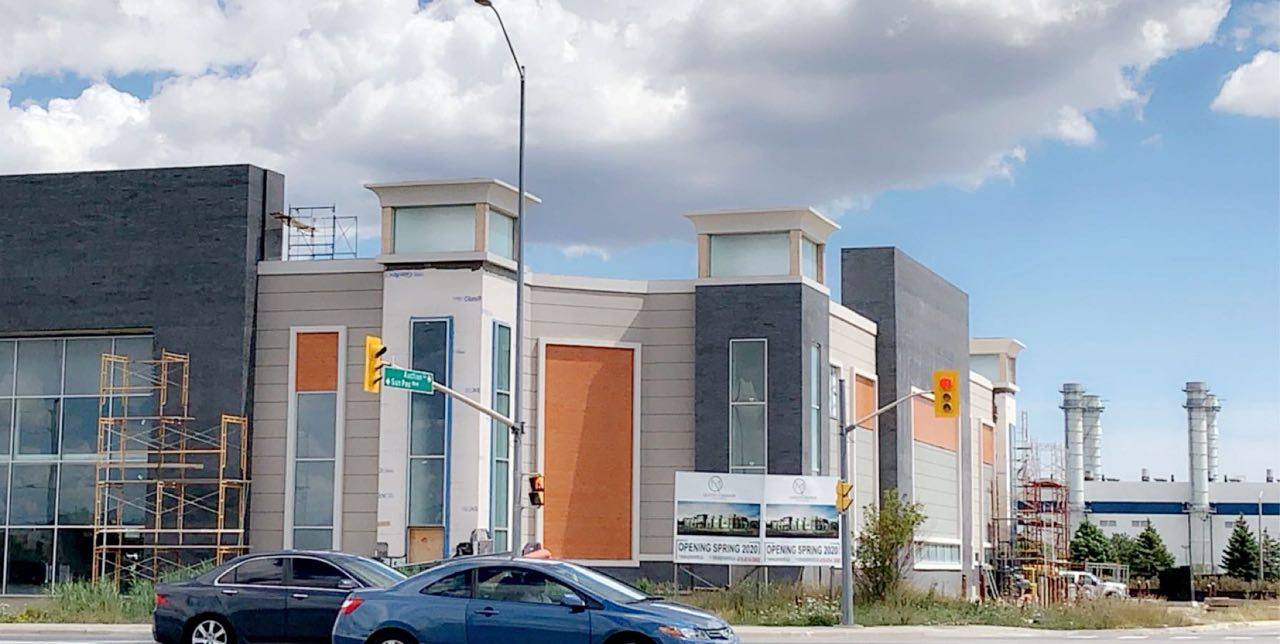
Key Installation Checklist
- Ensure proper moisture barriers (house wrap) are installed behind the siding.
- Use colour-matched trims and correct fastener types (stainless/galvanized).
- Check for adequate ventilation behind the siding to prevent a moisture trap.
Ensuring Long-Term Value: The Importance of Professional Installation
Investing in wood-look aluminum siding is a significant step toward modernizing your property and reducing long-term maintenance. However, the performance of this premium material is heavily dependent on the quality of its installation. Unlike standard vinyl, aluminum requires precise strapping, leveling, and thermal management to ensure the “wood” appearance remains realistic and the structure stays weather-tight.
To truly future-proof your home, the expertise behind the installation is just as critical as the material itself. When selecting a partner for your exterior project, ensure they provide:
- Verified Expertise: Look for licensed professionals who understand the specific thermal expansion properties of heavy-gauge aluminum.
- Material Integrity: Ensure your installer uses certified, high-grade materials that carry valid warranties in the Canadian climate.
- Local Knowledge: A team familiar with the bylaws and environmental conditions of the Greater Toronto Area will ensure your renovation complies with all local regulations.
At Cladding Pros, we prioritize these technical standards to ensure your investment stands the test of time. If you are considering an exterior upgrade and have questions about the suitability of aluminum siding for your home, we are here to help guide your decision.
We invite homeowners in Toronto, Mississauga, Vaughan, Richmond Hill, and the surrounding regions to connect with us for a professional assessment.
Connect with Us for Consultation Today!